

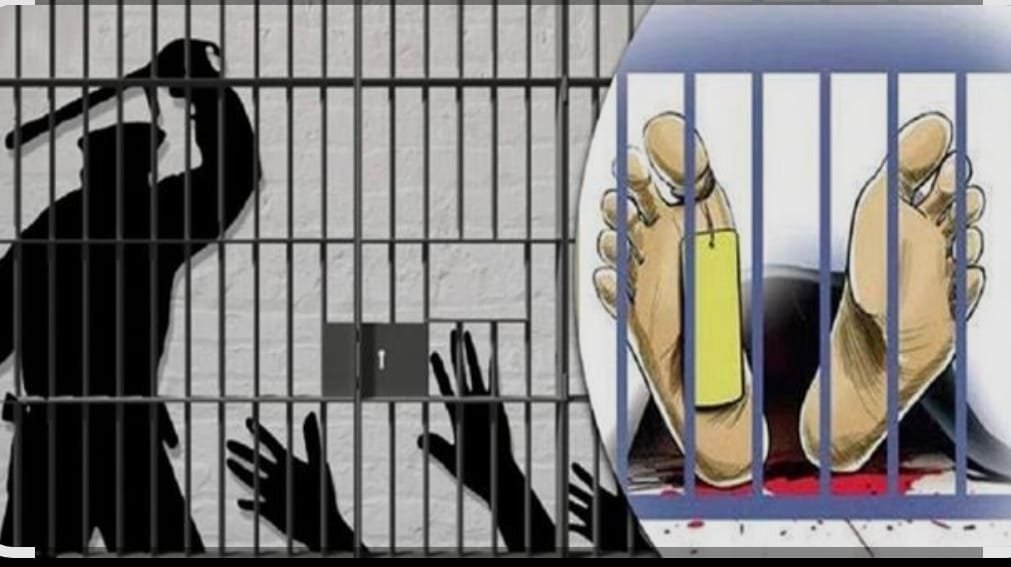
For thousands of Pakistani families, justice remains an unanswered prayer. Mothers continue searching for missing sons, wives wait for husbands who never returned home, and children grow up without knowing whether a detained parent is alive. Behind every statistic on torture, custodial deaths, or enforced disappearances lies a family living with uncertainty, trauma, and loss.
Despite constitutional protections, reports of custodial torture and ill-treatment continue to emerge from across the country. Human rights organisations and independent monitors have documented allegations of beatings, electric shocks, prolonged detention, and other coercive methods used during interrogations to extract confessions. In several cases, detainees have died in custody, with families alleging torture while official explanations often cite natural causes.
Pakistan’s prisons remain severely overcrowded, operating at an average of 152 per cent of their capacity, increasing the risks of abuse, inadequate healthcare, poor sanitation, and prolonged solitary confinement.
The burden falls most heavily on society’s vulnerable. Juveniles, women, ethnic and religious minorities, and political activists face heightened risks of custodial abuse. Reports have documented children as young as 12 years old being subjected to excessive force and degrading treatment.
Although the Torture and Custodial Death (Prevention and Punishment) Act, 2022 criminalised torture, implementation remains a challenge. According to Pakistan’s submissions to the UN Committee against Torture, more than 250 custodial-related cases were processed by courts between 2019 and 2025, resulting in only 72 convictions. Meanwhile, the National Commission for Human Rights (NCHR) investigated over 7,000 complaints, including 103 torture-related cases, and carried out prison inspections. Rights advocates argue that accountability remains weak, complaints are difficult to register, and convictions remain disproportionately low compared to reported incidents.
Enforced disappearances continue to deepen the suffering of affected families, particularly in Balochistan and Khyber Pakhtunkhwa. The Commission of Inquiry on Enforced Disappearances received 10,618 cases between March 2011 and August 2025, disposing of 8,873. Yet thousands of families continue to seek answers about missing loved ones, alleging secret detentions and a culture of impunity.
For these families, justice is not merely a legal process—it is the hope of learning the truth, holding perpetrators accountable, and preventing others from suffering the same fate. Until meaningful reforms strengthen oversight, ensure impartial investigations, and protect victims, the scars of torture and disappearance will continue to haunt communities across Pakistan.
On the International Day in Support of Victims of Torture, Prime Minister Muhammad Shehbaz Sharif reaffirmed Pakistan’s commitment to eliminating torture, upholding human dignity, supporting victims through medical, psychological, legal and social assistance, and ensuring accountability for perpetrators. He also expressed solidarity with victims in conflict zones, particularly in Indian Illegally Occupied Jammu and Kashmir (IIOJK) and Palestine. While the statement reflects Pakistan’s commitment to human rights, many observers believe its true measure will lie in translating these pledges into stronger protections and accountability for victims within Pakistan itself.
By Marium Kiani