
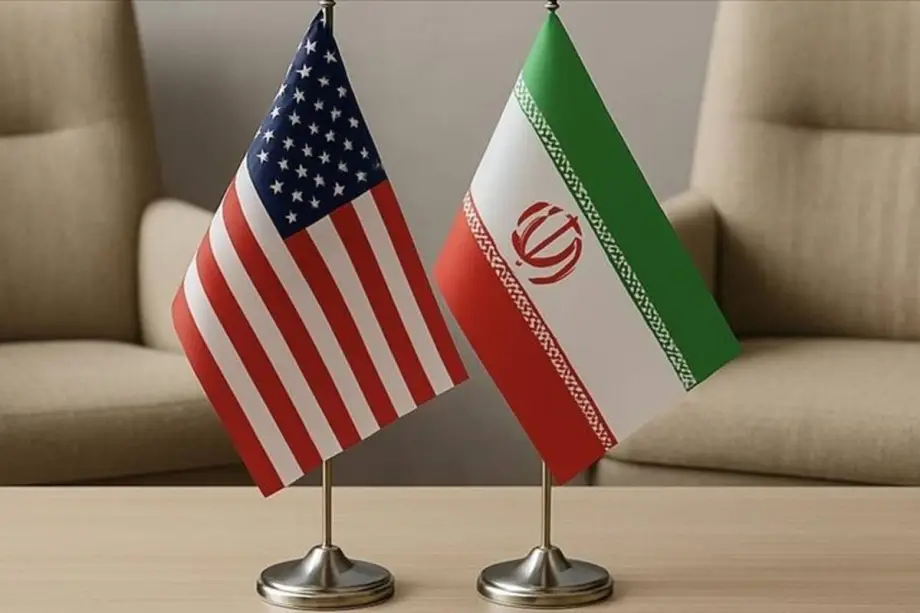
WASHINGTON/ISLAMABAD (MNN); In a major diplomatic breakthrough that could reshape the geopolitical landscape of the Middle East, United States President Donald Trump announced that a peace agreement has been reached between the United States and Iran, paving the way for an immediate and permanent ceasefire and the reopening of the strategically vital Strait of Hormuz.
The announcement came after months of escalating tensions, military confrontations and intensive diplomatic efforts involving several regional and international mediators. The agreement is expected to formally end hostilities between Washington and Tehran and could mark the beginning of a broader process aimed at restoring stability across the region, including Lebanon.
In a message posted on Truth Social, President Donald Trump declared that negotiations had concluded successfully and that the agreement with the Islamic Republic of Iran was complete.
“Congratulations to all,” Trump wrote. “I hereby fully authorize the toll-free opening of the Strait of Hormuz and simultaneously authorize the immediate removal of the United States naval blockade. Ships of the world, start your engines. Let the oil flow.”
The Strait of Hormuz, one of the world’s most important energy corridors, has remained largely disrupted since military hostilities intensified following US and Israeli operations against Iran on December 28. The reopening of the waterway is expected to ease pressure on global energy markets and restore confidence in international shipping.
The breakthrough was first announced by Pakistani Prime Minister Shehbaz Sharif, who revealed that both sides had agreed to an immediate and permanent end to military operations on all fronts.
“Following intensive talks, we are pleased to announce that the Peace Deal between the United States of America and the Islamic Republic of Iran has been reached,” Prime Minister Shehbaz Sharif said in a statement posted on X.
He stated that both countries had agreed to cease military activities not only in relation to each other but also across regional fronts, including Lebanon. The Pakistani premier further announced that the official signing ceremony would take place in Switzerland on June 19.
Prime Minister Shehbaz thanked both Washington and Tehran for choosing diplomacy over conflict and acknowledged the contributions of several countries that helped facilitate the negotiations.
He particularly praised the mediation efforts of Qatar and also expressed gratitude to the leadership of Saudi Arabia and Türkiye for their role in helping bridge differences between the two sides.
According to the Pakistani premier, a series of technical meetings and pre-implementation discussions will take place before the formal signing ceremony in order to finalize operational details and implementation mechanisms.
Iranian officials later confirmed the agreement. Iranian President Masoud Pezeshkian described the development as a positive step toward regional stability and emphasized that Tehran remains committed to constructive engagement with neighboring countries.
Speaking to media representatives, Pezeshkian said Iran enjoys very good relations with regional states despite recent conflicts and added that many misunderstandings were now moving toward resolution.
The Iranian president also revealed that the country’s Supreme National Security Council had endorsed continued diplomatic engagement with the United States despite criticism from hardline political groups.
“The Supreme National Security Council has concluded that the path of dialogue should be pursued,” Pezeshkian said, noting that the council remains the highest authority regarding decisions on war and negotiations.
Meanwhile, Russia also played a role in ongoing diplomatic consultations. According to the Kremlin, Russian President Vladimir Putin discussed the developing agreement during a telephone conversation with President Trump.
Kremlin aide Yuri Ushakov told reporters that the discussion focused on the memorandum of understanding being prepared between the United States and Iran and that Trump expressed confidence that a final agreement was within reach.
Diplomatic sources indicate that the initial memorandum of understanding consists of a 14-point framework designed to halt hostilities and create conditions for a broader settlement.
Among the reported provisions are the immediate cessation of military operations, reopening of the Strait of Hormuz, removal of the US naval blockade, a 60-day ceasefire period, suspension of new sanctions, gradual sanctions relief and the release of billions of dollars in frozen Iranian assets.
The framework also includes commitments regarding Iran’s nuclear activities, including assurances that Tehran will not pursue nuclear weapons while negotiations continue on issues such as uranium enrichment, verification procedures and long-term nuclear restrictions.
Other provisions reportedly call for maintaining freedom of navigation, promoting regional security cooperation and developing economic initiatives aimed at rebuilding trust and encouraging investment.
Several difficult issues remain unresolved and are expected to be addressed during a 60-day follow-up negotiation process. These include the future of Iran’s nuclear enrichment programme, inspection mechanisms, sanctions removal timelines and broader regional security arrangements.
Qatar welcomed the breakthrough, describing it as a major step toward lasting peace and economic stability.
In a statement, Qatar’s Ministry of Foreign Affairs said the agreement on the memorandum of understanding addressed several outstanding issues between the United States and Iran, including guarantees regarding freedom of navigation through the Strait of Hormuz.
The ministry said the agreement would contribute to sustainable peace and support regional and international economic growth.
Analysts believe the deal could have far-reaching consequences for global energy markets. The reopening of the Strait of Hormuz is expected to improve oil supply chains, lower transportation costs and reduce uncertainty in international markets.
The agreement also comes after repeated efforts by President Trump to secure a broader and more comprehensive arrangement than the 2015 nuclear agreement signed during former President Barack Obama’s administration.
While many details of the final settlement remain under discussion, diplomats and observers view the memorandum as the most significant diplomatic breakthrough between Washington and Tehran in more than a decade.
If successfully implemented, the agreement could reduce regional tensions, strengthen economic cooperation and establish a framework for addressing some of the Middle East’s most persistent security challenges.