


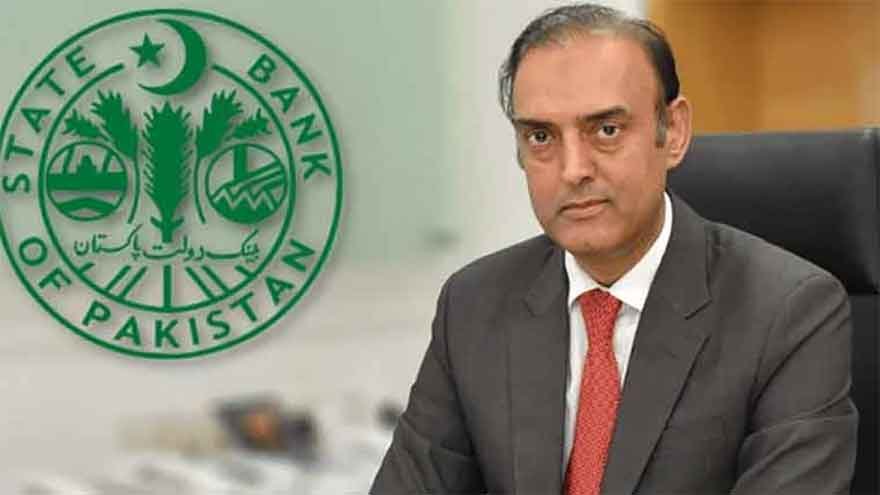
ISLAMABAD (MNN); The State Bank of Pakistan (SBP) on Monday decided to keep the policy rate unchanged at 11.5 per cent during its final monetary policy review for FY26.
In its statement, the Monetary Policy Committee (MPC) noted that global oil prices had eased following recent geopolitical developments, though they remain above pre-conflict levels. It added that the economic impact of the earlier conflict is now visible in key indicators, with headline inflation rising into double digits in April and May, while core inflation has also increased.
The committee observed signs of moderation in economic activity due to higher prices, austerity measures, and ongoing uncertainty, although external account pressures remain manageable. It said the overall macroeconomic outlook has remained broadly unchanged since the previous meeting.
The MPC stated that the current monetary stance is appropriate to guide inflation toward the medium-term target range of 5 to 7 per cent. It highlighted that GDP growth was provisionally estimated at 3.7 per cent in FY26, slightly higher than 3.2 per cent in FY25, driven mainly by services and industry, with agriculture also contributing. Large-scale manufacturing grew by 6.5 per cent.
The statement noted marginal recovery in consumer and business confidence, while inflation expectations eased slightly. It also highlighted the successful completion of IMF reviews under EFF and RSF programs, which helped increase SBP foreign exchange reserves to $17.2 billion as of June 5, 2026.
The MPC said fiscal consolidation remains broadly on track, supported by expenditure control, while also stressing continued reforms to strengthen economic resilience and productivity.
On monetary aggregates, broad money (M2) growth slowed to 14.3 per cent, driven by moderation in banking sector borrowing. Private sector credit rose by 13 per cent, reflecting growth in working capital, investment, and consumer financing.
Inflation trends showed a rise from 7.3 per cent in March to 11.7 per cent in May, driven by energy price increases, transport and production costs, and higher food prices, particularly wheat. The committee warned inflation may remain in double digits in the coming months before easing gradually.
The MPC said risks to the outlook include geopolitical tensions, energy price pass-through, tariff adjustments, fiscal slippages, and food supply uncertainties. It reaffirmed its commitment to price stability and continued monitoring of economic developments.