


Women’s Complaints Over Men’s Leg Hair Spark Workplace Debate
Tokyo / Islamabad – MNN
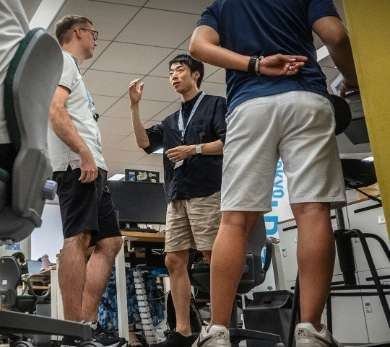
A Japanese government initiative encouraging male office workers to wear shorts during the summer has sparked an unusual social debate, with some women describing the sight of their male colleagues’ leg hair as a form of “leg hair harassment.”
According to a BBC report, the controversy emerged after the Tokyo Metropolitan Government expanded its “Tokyo Cool Biz” campaign, allowing office workers to replace formal suits and ties with lighter clothing, including T-shirts, sneakers, and shorts, to cope with extreme summer temperatures and reduce energy consumption.
While many male employees welcomed the relaxed dress code, some female workers argued that they are still expected to follow stricter dress standards, such as wearing tights when exposing their legs, whereas men have been given greater flexibility. They say seeing their male colleagues’ hairy legs at work makes them uncomfortable, leading to the emergence of the term “Sunehara”—a Japanese expression referring to “leg hair harassment.”
The BBC reports that the debate has also influenced men’s grooming habits. A cosmetic clinic in Tokyo says more male clients are seeking laser hair removal, not only for cosmetic reasons but also out of concern that visible leg hair may be considered socially inappropriate when wearing shorts.
Tokyo Metropolitan Government officials insist that the campaign is intended to provide employees with more comfortable clothing options during extreme heat, not to dictate what people should wear. They emphasize that any attire is acceptable as long as it remains appropriate for a professional workplace.
Japan is currently experiencing an intense heatwave, with temperatures forecast to reach 40°C in some areas. According to official data cited by the BBC, seven people died from heatstroke and more than 4,580 others were hospitalized within a single week. Health experts are urging people to stay hydrated, use air conditioning where possible, and take preventive measures to reduce the risk of heat-related illnesses.