


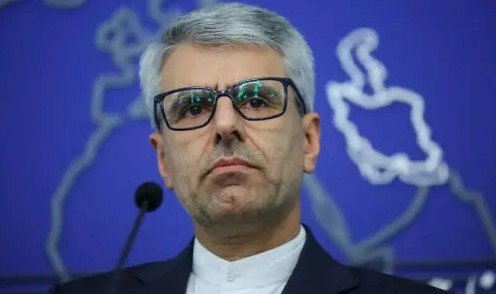
TEHRAN/ISLAMABAD (MNN); Iran’s Foreign Ministry spokesperson Esmaeil Baghaei on Monday said Lebanon is a key component of the memorandum of understanding with the United States and that developments there will be closely monitored, according to Al Jazeera.
Baghaei stated that respecting Lebanon’s sovereignty and territorial integrity is part of the interim agreement with Washington. He expressed condolences to the Lebanese people and said Iran would respond to the situation based on certain parameters due to what he described as attacks by the “Zionist entity” against Lebanon.
He added that Lebanon has been explicitly included in the draft agreement aimed at ending hostilities, which also calls for respect of sovereignty and cessation of conflict on all fronts. Diplomatic visits to regional countries are also on Tehran’s agenda ahead of the expected signing ceremony scheduled for Friday in Geneva, Switzerland. Final decisions on the signing mechanism are expected within days.
Meanwhile, Prime Minister Shehbaz Sharif announced that Pakistan will host the signing ceremony of the Iran–US agreement in Geneva on June 19, describing it as a significant diplomatic development while addressing the National Assembly.
According to Iranian media, the draft agreement was amended to include maritime service provisions and reaffirm aspects related to the Strait of Hormuz. Reports also suggested that the United States accepted the idea of service fees in certain maritime arrangements.
Hezbollah welcomed Iran’s position, thanking Tehran for ensuring Lebanon’s inclusion in the deal and reaffirming its commitment to defending Lebanon’s sovereignty and resisting any external aggression.
US Vice President JD Vance said the Strait of Hormuz is expected to remain open and toll-free in the long term, adding that Iranian and US representatives will attend the signing ceremony, while several technical details still need to be finalized.
The Organisation of Islamic Cooperation (OIC) welcomed the agreement, praising Pakistan and Qatar for their diplomatic role in facilitating talks, and urged full implementation of the understanding.
The United Arab Emirates also supported the deal, calling for full implementation and freedom of navigation in the Strait of Hormuz, while emphasizing diplomacy and international law.
However, two Israeli far-right ministers rejected the agreement, saying it does not bind Israel and criticizing it as insufficient for their security concerns, with calls for continued pressure on Hezbollah and Iran.
Saudi Arabia welcomed the agreement while stressing that any lasting peace must reflect regional security concerns and the principle of non-interference.
Separately, indirect US–Iran meetings are expected in Doha ahead of the formal signing in Switzerland, following 17 hours of negotiations mediated by Qatar.
Former US President Donald Trump, speaking to the New York Times, said the deal would limit Iran’s uranium enrichment strictly to non-military purposes and warned that sanctions relief could be affected under certain conditions.