


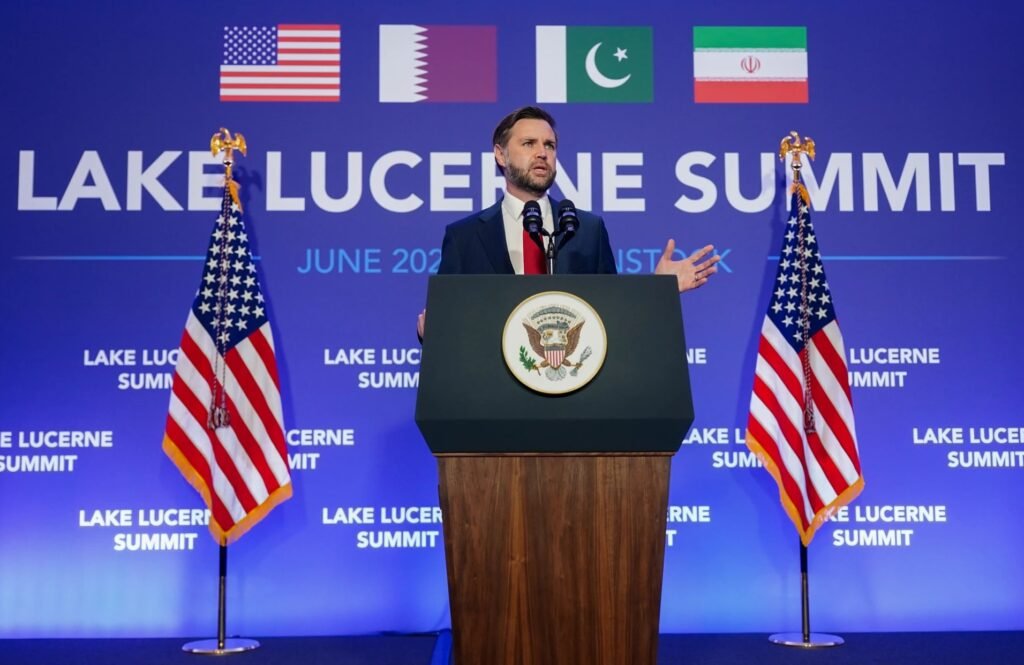
TEHRAN (MNN); Iran has dismissed reports of an imminent high-level meeting with the United States, confirming instead that upcoming discussions in Qatar will focus exclusively on the implementation of provisions outlined in the existing Memorandum of Understanding, particularly the issue of Tehran’s frozen financial assets.
Speaking during a weekly press briefing, Iranian Foreign Ministry spokesperson Esmaeil Baghaei said no meetings with American officials were scheduled “at any level” over the coming days. He clarified that Wednesday’s talks in Doha would involve only Qatari officials and would center on practical steps related to the memorandum, including discussions on the release of Iran’s restricted assets.
Baghaei stressed that speculation about direct Iran-US negotiations was inaccurate, emphasizing that Tehran had made no arrangements for bilateral contacts with Washington during the upcoming visit.
His remarks came after reports suggested that US Middle East envoy Steve Witkoff and former White House adviser Jared Kushner would travel to Qatar for discussions related to the Iran negotiations. While confirming the presence of the American delegation, Qatar’s Foreign Ministry spokesperson Majed Al Ansari stated that they would meet with mediators rather than Iranian representatives.
Al Ansari said no direct or high-level meeting between Iranian and American officials had been scheduled, contradicting earlier statements by a White House official indicating that senior-level talks were expected in Doha this week.
On regional issues, Baghaei reiterated Iran’s position regarding the conflict in Lebanon, saying Washington must fulfill its commitments aimed at ending hostilities on all fronts, particularly in Lebanon. He maintained that the United States should ensure Israel complies with the obligations outlined in the Memorandum of Understanding.
According to Baghaei, Iran will judge Washington’s commitment solely on the basis of the agreed text, adding that concrete implementation—not political statements—would determine Tehran’s assessment of American intentions.
Addressing maritime security, the Iranian spokesperson asserted that mine-clearance operations in the Strait of Hormuz fall exclusively under Iran’s responsibility. He stated that there was no need for outside powers to intervene, insisting that the matter should remain within Iran’s jurisdiction under the existing agreement.
Qatar, however, highlighted its diplomatic role in preventing further escalation in the strategically important waterway. Foreign Ministry spokesperson Majed Al Ansari said a dedicated hotline established for de-escalation had been used successfully to manage recent exchanges between Iran and the United States in the Strait of Hormuz.
He added that Qatar was working closely with neighboring Oman to ensure the safe passage of commercial vessels through the vital shipping route, describing freedom of navigation as a key regional priority.
Regarding Iranian financial assets frozen abroad, Al Ansari confirmed that approximately $6 billion had not been transferred to Tehran. He explained that the funds remain subject to the 2023 humanitarian agreement and are designated exclusively for the purchase of humanitarian goods.
Iranian officials also reaffirmed their broader security doctrine concerning the Gulf region. Acting Defence Minister stated that non-regional military powers should not exploit the Strait of Hormuz, arguing that the deployment of foreign forces contributes to instability rather than enhancing regional security.
According to the minister, the presence of external military bases has increased mistrust and insecurity across the region instead of promoting peace.
President Masoud Pezeshkian also defended Tehran’s negotiating strategy, declaring that Iran would never accept demands imposed by its adversaries under any circumstances.
Speaking during a meeting with religious scholars in the city of Qom, the president said his administration had consistently pursued negotiations with the United States from a position of dignity while safeguarding Iran’s national interests and the rights of its people.
Pezeshkian emphasized that Iran would not compromise on its fundamental principles or national sovereignty. He said every stage of negotiations had been conducted within the country’s legal framework and in continuous coordination with Supreme Leader Mojtaba Khamenei.
The Iranian president further criticized domestic political factions that, he said, had attempted to undermine the negotiating team through criticism and misinformation, arguing that such actions weakened national achievements and unity.
Meanwhile, Brigadier General Ali Jahanshahi, commander of Iran’s Ground Forces, announced that Iranian border forces remain on full operational readiness alongside the Islamic Revolutionary Guard Corps (IRGC) and other security agencies.
During an inspection of military units stationed near the country’s borders, Jahanshahi said the preparedness of Iranian forces had effectively deterred any possibility of hostile ground operations against the country.
He also argued that several countries hosting American military bases have begun recognizing those installations as sources of regional instability rather than security.
The commander said Iran’s rapid reaction units, special forces and border security personnel remain fully prepared to respond to any potential threat, ensuring the country’s borders remain secure.