


Islamabad :MNN
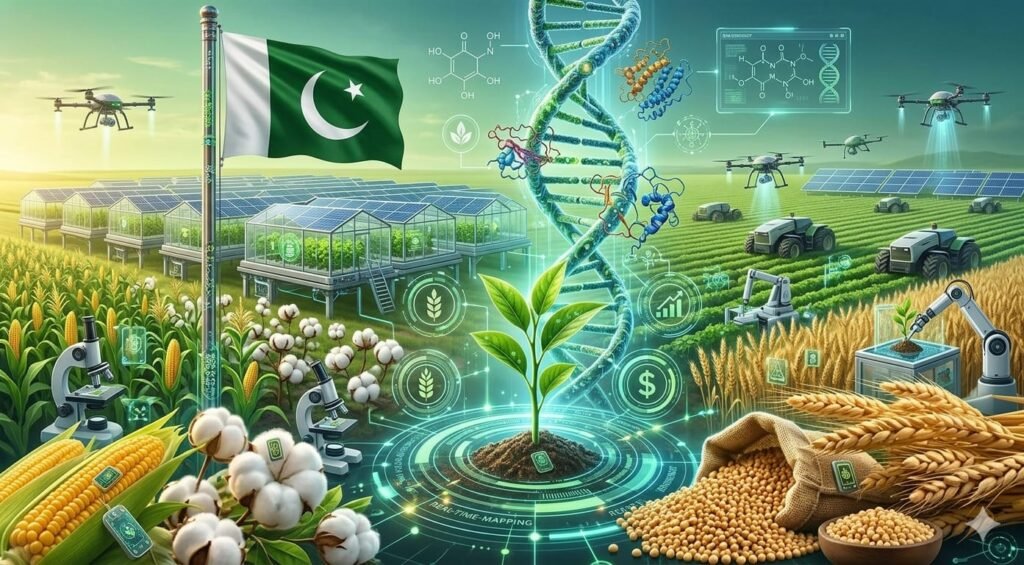
The Federal Cabinet, chaired by Prime Minister Muhammad Shehbaz Sharif, has approved the National Agricultural Biotechnology Policy 2025, marking a major step toward modernizing Pakistan’s agriculture sector through science and innovation.
The policy has been developed after an extensive two-and-a-half-year consultative process involving scientists, farmers, industry stakeholders, and relevant government institutions.
According to the government, the policy aims to support farmers, strengthen food security, increase agricultural productivity, promote responsible investment, and accelerate the adoption of modern agricultural biotechnology across the country.
Officials say the use of advanced biotechnology will help increase crop yields, reduce production losses, improve resistance to pests and diseases, and enable farmers to better cope with the challenges of climate change.
The government also announced that genetically modified maize has successfully completed Pakistan’s required biosafety and regulatory approval process, paving the way for the adoption of modern agricultural technologies.
With the implementation of the new policy, Pakistan’s maize exports are expected to increase significantly—from the current 288–345 million US dollars to nearly one billion US dollars in the coming years.
The government believes that effective implementation of the National Agricultural Biotechnology Policy 2025 will boost agricultural production, enhance exports, improve farmers’ incomes, and contribute to sustainable economic growth.